
Trust: The One Thing Every Leader Must Earn
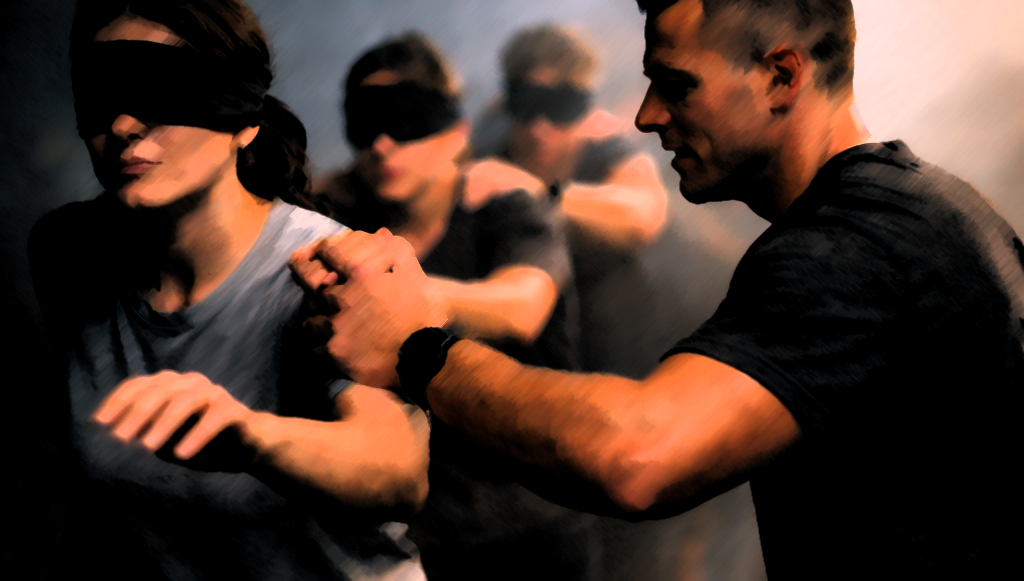
Trust is rarely tested in calm moments—it is revealed under pressure, uncertainty, and responsibility. In leadership and in life, trust is not something granted automatically; it is earned through consistent behavior, intentional actions, and the way we show up for others when it matters most.
At its core, trust begins with preparation. Leaders are often placed into roles unexpectedly, asked to guide others without warning. In those moments, preparation becomes the foundation of trust. When people sense that you are ready—mentally, emotionally, and tactically—they begin to believe in you. But preparation is not a one-time effort; it is a daily discipline. Leadership is not situational—it is practiced consistently, long before the opportunity arrives.
Trust is also built through action, not intention. People are constantly asking, often subconsciously: Does this person care about me? Will they keep me safe? Will they help me succeed? When leaders communicate clearly, keep promises, and actively look out for their team, trust grows. When they fail to do these things—when communication breaks down, when people feel overlooked, or when safety is compromised—trust erodes quickly.
A critical but often overlooked element of trust is connection. Human beings are wired for it. In the absence of strong leadership, people will seek connection wherever they can find it. This is why trust is not just about direction—it is about relationship. Leaders who nurture, guide, and reassure create an environment where people feel secure enough to perform at their best. As the principle goes: people don’t care how much you know until they know how much you care.
Equally important is awareness of influence. A leader’s attitude, tone, and behavior set the emotional climate for the entire team. Trust is not only built through what is said, but how it is communicated. Nonverbal cues, consistency, and emotional control all shape how others experience leadership. A steady, composed leader fosters confidence; an erratic one creates doubt.
Ultimately, trust comes down to two essential components: character and competence. Character reflects who you are—your integrity, honesty, and intent. Competence reflects what you do—your ability to execute, solve problems, and lead effectively. Both are required. A leader with strong character but low competence may be liked but not relied upon. A leader with high competence but weak character may be respected but never truly trusted.
This idea echoes in The 360 Degree Leader, which emphasizes that leadership—and therefore trust—can be exercised from any position. You do not need a title to build trust. You only need the willingness to take responsibility for the people around you.
Trust is not built in grand gestures. It is built in small, consistent moments—guiding instead of pulling, including instead of overlooking, and preparing instead of reacting. It is built when leaders ask themselves a simple but powerful question:
“Where must I be better?”
Because if you are going to lead, you must first be trusted. And to be trusted, you must first become trustworthy.
Stay connected with news and updates!
Join our mailing list to receive the latest news and updates from our team.
Don't worry, your information will not be shared.
We hate SPAM. We will never sell your information, for any reason.
